Treatment of concurrent babesiosis and ehrlichiosis in a dog using imidocarb dipropionate and doxycycline

Downloads
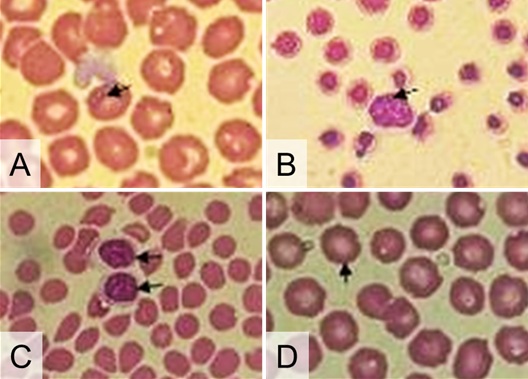
Rhipicephalus sanguineus is a well-recognized vector of tick-borne diseases, including babesiosis and ehrlichiosis, in dogs. This case report describes the successful therapeutic management of concurrent babesiosis and ehrlichiosis using imidocarb dipropionate and doxycycline. A 10-month-old male domestic dog presented with anorexia, weakness, pyrexia, erythema on the medial aspect of the hind limb, and heavy tick infestation. Complete blood count analysis revealed leukopenia, granulocytopenia, increased mean corpuscular volume and mean corpuscular hemoglobin, and thrombocytopenia. Blood smear examination revealed the presence of intraerythrocytic parasites and Ehrlichia morulae within the monocytes. In addition, a rapid antibody test yielded positive results for Babesia spp. and Ehrlichia spp. The dog was treated with a comprehensive therapeutic regimen consisting of fluralaner, imidocarb dipropionate, doxycycline, and supportive supplementation with multi-vitamins and minerals. Twenty-eight days after initiation of therapy, the dog showed marked clinical improvement, as evidenced by the absence of blood-borne pathogens on smear examination and substantial recovery of hematological parameters
Dantas-Torres F, Otranto D. 2015. Further thoughts on the taxonomy and vector role of Rhipicephalus sanguineus group ticks. Veterinary Parasitology. 208(1-2):9-13. https://doi.org/10.1016/j.vetpar.2014.12.014 | PMid:25579394
Dharmawan IWC, Putriningsih PAS, Erawan IGME. 2024. Ehrlichiosis pada anjing ras domestik persilangan jantan berumur 1 tahun. Veterinary Science and Medicine Journal. 6(0):169-178.
Grecu M, Nastasa V. 2016. Benefits and risk of using imidocarb di-propionate in canine babesiosis. Romanian Journal of Veterinary Medicine & Pharmacology. 2(2):91-97.
Hadi UK, Soviana S, Kamiring AB, Hidayat S. 2020. Khasiat fluralaner terhadap kutu keras (Rhipicephalus sanguineus) pada anjing. ARSHI Veterinary Letters. 4(3):59-60. https://doi.org/10.29244/avl.4.3.59-60
Kusuma AAGA, Putriningsih PAS, Widyastuti SK. 2024. Babesiosis disertai dermatitis akibat Rhipicephalus sanguineus pada anjing ras domestik campuran. Veterinary Science and Medicine Journal. 6(6):588-599.
Mylonakis ME, Theodorou KN. 2017. Canine monocytic ehrlichiosis: an update on diagnosis and treatment. Acta Veterinaria. 67:299-317. https://doi.org/10.1515/acve-2017-0025
Simoes PB, Cardoso L, Araújo M, Yisaschar MY, Baneth G. 2011. Babesiosis due to the canine babesia microti-like small piroplasm in dogs-first report from Portugal and possible vertical transmission. Parasites & Vectors. 4(1):50. https://doi.org/10.1186/1756-3305-4-50 | PMid:21489238 PMCid:PMC3082238
Torbica G, Bedrica L, Samardžija M, Lipar M, Ljubojević D, Kreszinger M, Harapin I. 2013. Canine babesiosis treatment with three different medicines. Acta veterinaria. 63(2-3):279-290. https://doi.org/10.2298/AVB1303279T
Uslu M, Canbar R. 2022. Imidocarb use in animals. Bulletin of Veterinary Pharmacology and Toxicology Association. 13(2):120-131. https://doi.org/10.38137/vftd.1141522
Copyright (c) 2025 CC-BY-SA

This work is licensed under a Creative Commons Attribution-ShareAlike 4.0 International License.
All articles published in this journal are licensed under a Creative Commons Attribution-ShareAlike 4.0 International License (CC BY-SA 4.0).
This license permits use, distribution, reproduction, and adaptation in any medium, including for commercial purposes, provided the original work is properly cited, a link to the license is given, and any changes made are indicated. Any derivative work must be distributed under the same license or a compatible license.
How to Cite